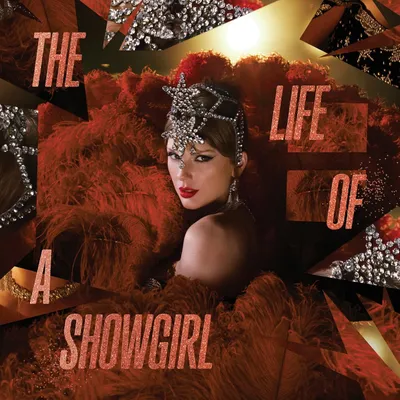
It’s hard to escape the gigantic, stratospheric impact of Taylor Swift. Scrolling on Instagram, every brand advertisement plays off “The Life of” puns; while scrolling on TikTok, videos range from claiming the album as the best, to calling Swift a money-hungry billionaire. And yet scrolling the Billboard Hot 100, Showgirl occupies every spot.
Hated or beloved, Swift’s The Life of a Showgirl sold four million copies in its first week following the October 3 release, making it the biggest album debut of all time. On The Zane Lowe Show, Swift herself stated, “The rule of show business is if it’s the first week of my album release and you are saying either my name or my album title, you’re helping.”
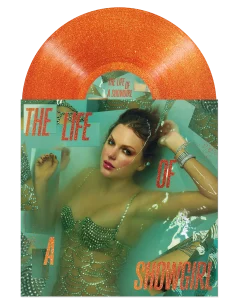
This is a rule that Swift has had to hold true throughout her career. As a long-time listener, it’s clear to me that each of her albums (eras) fall into the same initial cycle. Every album does extremely well commercially, selling millions of copies and breaking records that only her own previous work has set. However, online (specifically on social media platforms like TikTok and YouTube), the album is met with intense backlash and criticism. Reviewers claim the work is boring, not “sonically cohesive”, too similar to the previous record, or, even worse, so completely new it loses her essence entirely.
The Life of a Showgirl is no different. Despite high commercial success, the backlash is hard to ignore. The loudest critique? A dramatic fall in Swift’s songwriting, with many claiming that the lyrics seem “dumbed down”.
I think, simply, that this is not even remotely true.
The songwriting on this album is as complex as Swift’s previous work, as seen on projects like Midnights, Tortured Poets, and even Folklore. The real difference between these albums and Showgirl… the producers.
Swift has consistently worked with synth-focused, indie-leaning producers Jack Antonoff and Aaron Desser since 2014, with the pair producing her last four albums entirely. Showgirl made a sharp turn. The project abandons hollow synth sounds and trades them for punchy, electric guitar infused tracks. The record was produced by Max Martin and Shellback, who made Swift’s 2012 hits “22”, “I Knew You Were Trouble.”, and “We Are Never Ever Getting Back Together”.
The songs on the new album pack the same forcefully optimistic melodies as Martin, Shellback, and Swift’s previous collaborations, but this time, showcases the trio’s honed artistry.
The Life of a Showgirl does so perfectly – it’s a 12-song masterclass in bulletproof pop. The driving instrumentals serve as the perfect back drop for Swift’s unmistakable signature: expert writing.
I think a perfect example of this is the fourth track on the album, “Father Figure”. The production of the song features sharp, boxy drums that give way to Swift’s smooth vocals. The lyrics detail this relationship between a mentor and a mentee, and the dynamic shit in their balance of power. The first two verses of the song are from the mentor’s perspective, describing how they found their pupil “wayward, lost in the cold”. This narrator is powerful. Swift sings, “I pay the check before it kisses the mahogany grain…All I ask for is your loyalty, my dear protégé,” before switching octaves in seconds and dropping into the hook: “I’ll be your father figure.” But the most unique aspect of the song comes right after the bridge— a quick, catchy key change. As the production gives way to a higher, happier sounds, the speaker switches from mentor to protégé. “Whose portrait’s on the mantle? Who covered up your scandals?…This empire belongs to me, leave it with me.” Over the past ten years, key changes have also completely disappeared from pop music, and Swift’s perfect execution in “Father Figure” is refreshing.
Because that’s what this album is; a new take on pop that combines signatures of Max Martin and Shellback with a lyrical proficiency only Swift can achieve. And despite negative critiques, The Life of a Showgirl proves once again that the world still revolves around Taylor Swift.